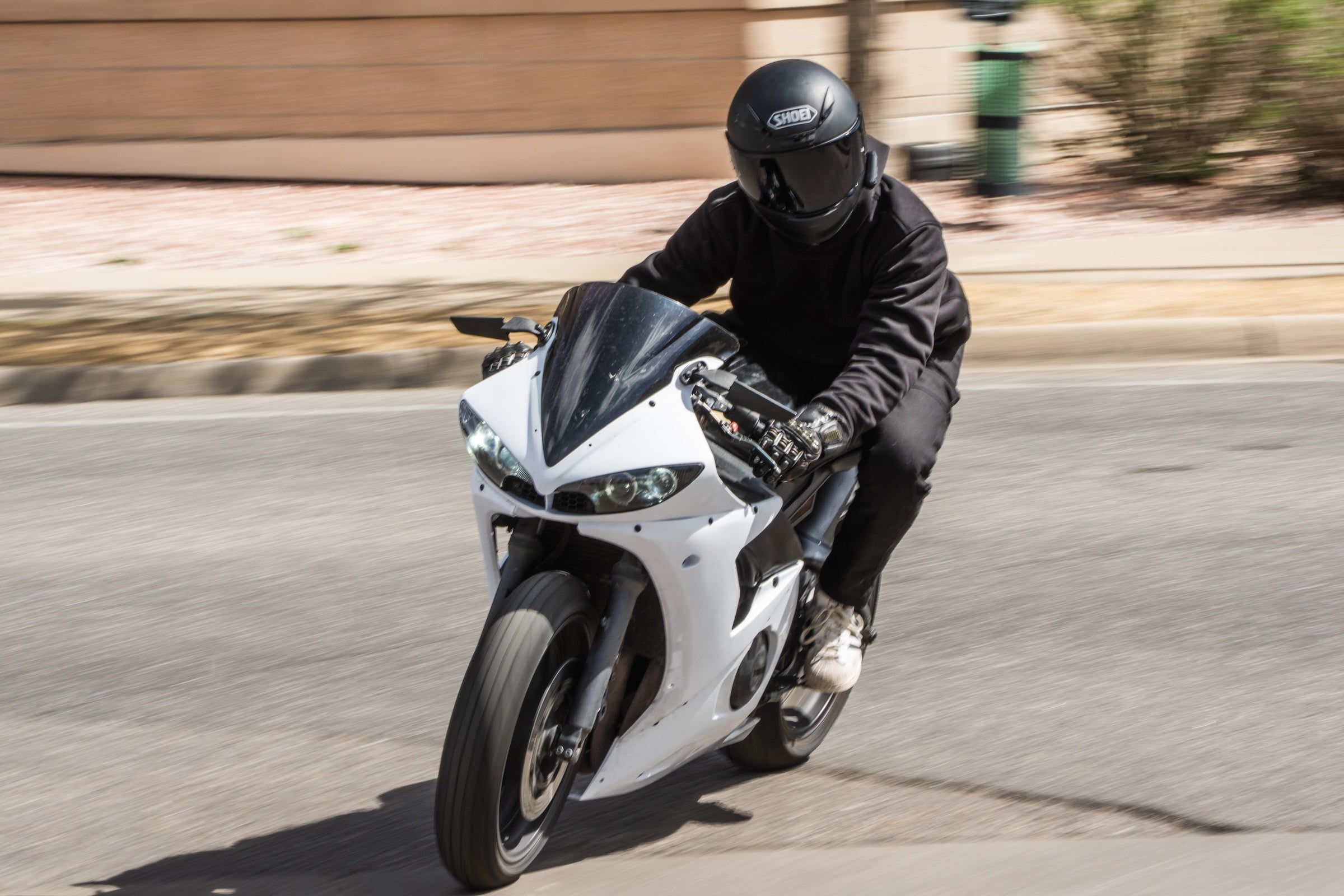





If you've ever stood in front of a wall of protective gear trying to figure out what you actually need, you're not alone. The knee pads vs. full leg armor debate comes up constantly, and the honest answer is: it depends on how and where you ride. Here's how to figure out which one is right for you.
What Each One Actually Protects
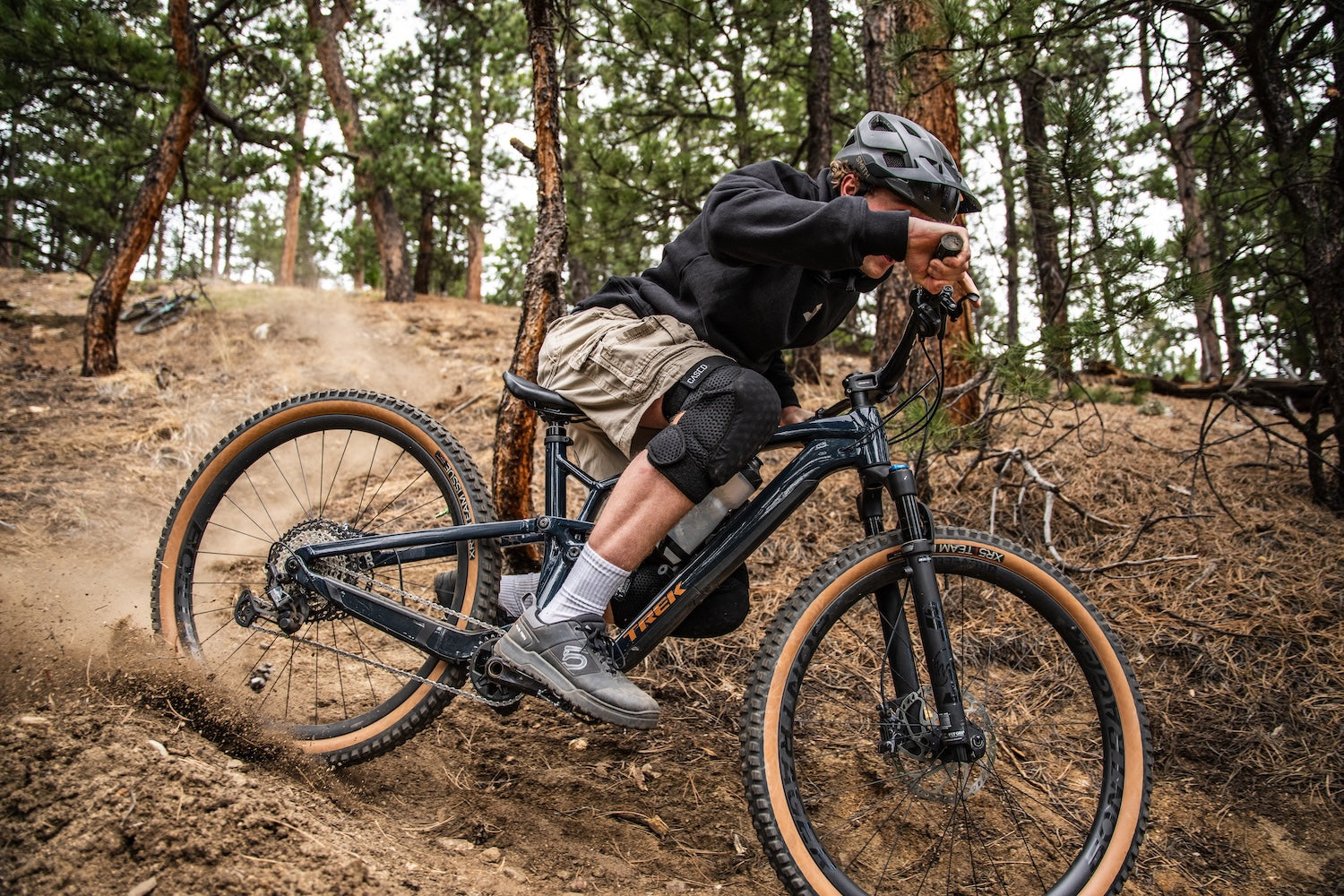
Knee pads cover the knee and, depending on the design, a portion of the shin below it. They're built to protect the joint itself from direct impacts: rocks, roots, pedals, and the ground during a crash.
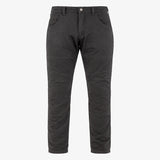
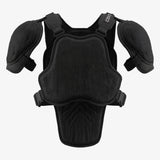
Full leg armor extends coverage from the thigh down through the knee to the shin, and Cased gear also protects the hip. The goal isn't just the joint, it's the whole leg, including the soft tissue and bone that a hard fall can put at risk.
The core tradeoff is simple: more coverage means more protection, but also usually means more weight, more heat, and less freedom of movement. Less coverage means more comfort and mobility, but you're accepting more risk in a crash.
When Knee Pads Are the Right Call
Knee pads make sense when:
-
You're riding trail or all-mountain terrain where crashes are more likely to be low-speed tumbles than high-speed impacts.
-
Pedaling efficiency matters. Knee pads add minimal bulk, so they don't interfere with your pedal stroke on longer rides or climbs.
-
You run hot. Less coverage means more airflow, which matters a lot in summer riding conditions.
-
You want something you'll actually keep on all day. The best protection is the protection you're not tempted to take off between runs.
For riders doing cross-country, trail, or casual all-mountain riding, a solid pair of knee pads with CE-rated impact protection covers the highest-risk area — the knee — without slowing you down.
When Full Leg Armor Is Worth the Extra Bulk
Full leg armor earns its place when:
-
You're riding enduro or downhill, where speeds are higher and crashes hit harder and less predictably.
-
You're riding unfamiliar or technical terrain with more exposure to rocks, roots, and drops.
-
You've had a leg injury before. Once you know what a bad impact feels like, most riders don't go back to partial coverage.
-
You're racing. Competitive riding pushes limits in ways casual riding doesn't, and the extra protection is worth the tradeoff.
Motorsports riders, motocross, enduro racing, anything with higher speeds and mechanical hazards, almost always fall into this category too. The consequences of a bad impact are simply higher, so the gear needs to match.
It's Not Always One or the Other
A lot of riders end up with both, and choose based on the day:
-
Trail ride with friends = knee pads
-
Bike park lap day or downhill session = full leg armor
-
Racing or unfamiliar terrain = full leg armor
-
Long pedal-heavy backcountry ride = knee pads
Think of it less like a permanent decision and more like choosing the right tool for the terrain in front of you.
What to Look for Either Way
Regardless of which you choose, a few things matter more than the marketing:
-
CE certification level (Level 1 vs Level 2): This tells you the actual tested impact protection, not just a design claim.
-
Fit that stays put: Pads that migrate down your leg mid-ride aren't protecting anything when you need them.
-
Breathable materials: Gear you're uncomfortable in is gear you'll eventually stop wearing.
-
Low-profile design: You shouldn't have to choose between protection and feeling normal on the bike.
The Bottom Line
Knee pads are the right call when mobility, breathability, and all-day comfort matter most and your riding is more trail than gravity-fed. Full leg armor is worth the extra bulk when speeds go up, terrain gets more technical, or the stakes of a bad crash go up. Most serious riders end up owning both. The real skill is knowing which one to reach for before you clip in.
Whichever you choose, the best protection is the kind you forget you're wearing until the moment you need it.
Ready to gear up? Shop Cased inner protective pants and shorts, riding pants and shorts, and knee pads, to find the right fit for your riding style. Bundle to save and be ready for any riding adventure.