




Stop Simply Trusting the Label and Start Understanding It
Most riders don’t think twice about protective gear. You put it on, trust the tag, and assume it will do its job when things go wrong. But that assumption can cost you.
The reality is that not all protection is created equal because it’s not all built to the same standard. And the difference between certifications can have a real impact when you hit the ground.
What CE Certifications Actually Mean
If you have seen terms like CE Level 1 or CE Level 2, you're on the right track.
CE Certification, which stands for Conformité Européenne, is the global benchmark for protective gear in cycling and motorsports. A CE marking on a product indicates it has been tested against strict European safety standards for impact protection.
CE Level 1 meets baseline safety requirements, while CE Level 2 represents the pinnacle of impact energy absorption and coverage. I
In simple terms, CE Level 2 gear is engineered to allow less force to pass through your body during impact. That means less energy reaching your joints, bones, and vital areas when it matters most.
This isn’t a small upgrade. It’s the difference between meeting the minimum… and being built for real crashes.
Why Most Gear Stops at Level 1
Walk into any shop or browse online and you’ll find a pattern: most protective gear, including big brand names, stops at Level 1.
That is not because higher protection is not possible or necessary. It’s because Level 2 is harder to achieve. Higher certification often requires better materials, smarter engineering, and more rigorous testing. Instead, many brands prioritize:
- Lower cost
- Lighter (but less protective) materials
- Simpler construction
Ultimately, Level 1 gear feels fine, until it’s pushed to its limits. Thin foam pads that are CE Level 1 can bottom out”under high impact, meaning they stop absorbing force exactly when you need them most. And once that happens, your body takes the hit.
CASED: Designed for comfort, built for impact
For years, riders were forced to choose between comfort and protection. Higher rated protection often meant bulkier gear and restricted movement. Lightweight gear felt better, but sacrificed safety.
CASED refuses that tradeoff.
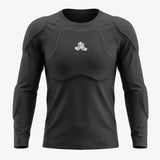
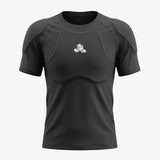
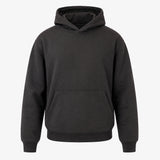
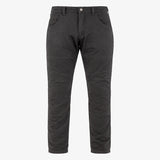
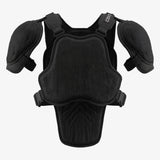
Every piece of CASED protective apparel is built to meet CE Level 2 impact standards, without compromising mobility, breathability, or fit.
- Ergonomic, body-mapped design that moves with you
- Breathable materials reduce heat and eliminate extra bulk
- Advanced materials that absorb impact without stiffness
- Low-profile construction that eliminates bulk and heat
The ultimate result is simple: CASED apparel is protection you’ll actually wear, every ride, every time.
Because gear only works if it’s on your body when you need it.
Certification Takeaway: Know What You’re Wearing
Certifications aren’t just labels. They are performance indicators. Understanding the difference between CE Level 1 and Level 2 gives you a clear view of what your gear is actually capable of when things go wrong.
Most riders settle for minimum standards without realizing it. But you don’t have to.
CASED is built for riders who expect more: more protection, more comfort, and more confidence when it counts. Shop CE Level 2 protective apparel now at CASED.