


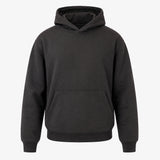
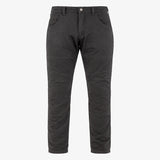
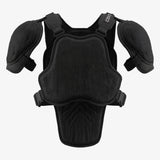


Choosing protective gear that’s comfortable and works can be overwhelming. To help you out, here’s a list of core features to consider when selecting protective gear.
Fit & Comfort
Protective gear should protect you without hindering performance. Apparel must fit snugly but comfortably to be effective. Poorly fitted apparel can shift during activity, leaving areas exposed or limiting your movement.
What to look for:
-
Ergonomic designs
-
Flexible padding
-
Gussets (extra fabric in high-movement areas)
-
Adjustable straps
-
Compression fits
-
Lightweight materials
-
Breathable and moisture wicking fabrics with mesh panels
-
Perforated pads and air channels to prevent overheating
Coverage
Ensure your protective gear matches your activity. Whether it’s different MTB trail types, snowboarding, skiing, motorcycling or dirtbiking, different sports and levels require different protection.
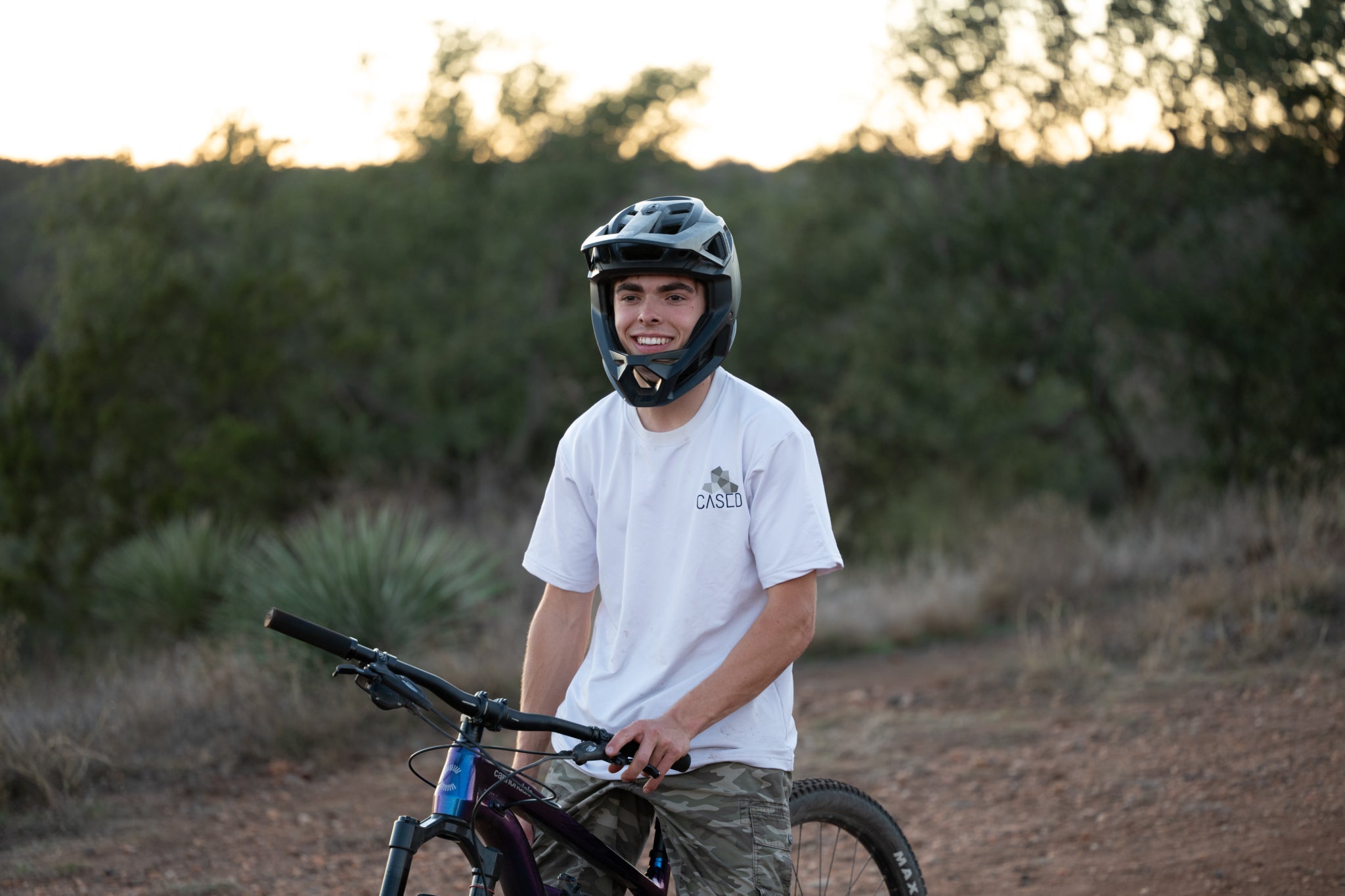
What to look for (helmets are non-negotiable!):
-
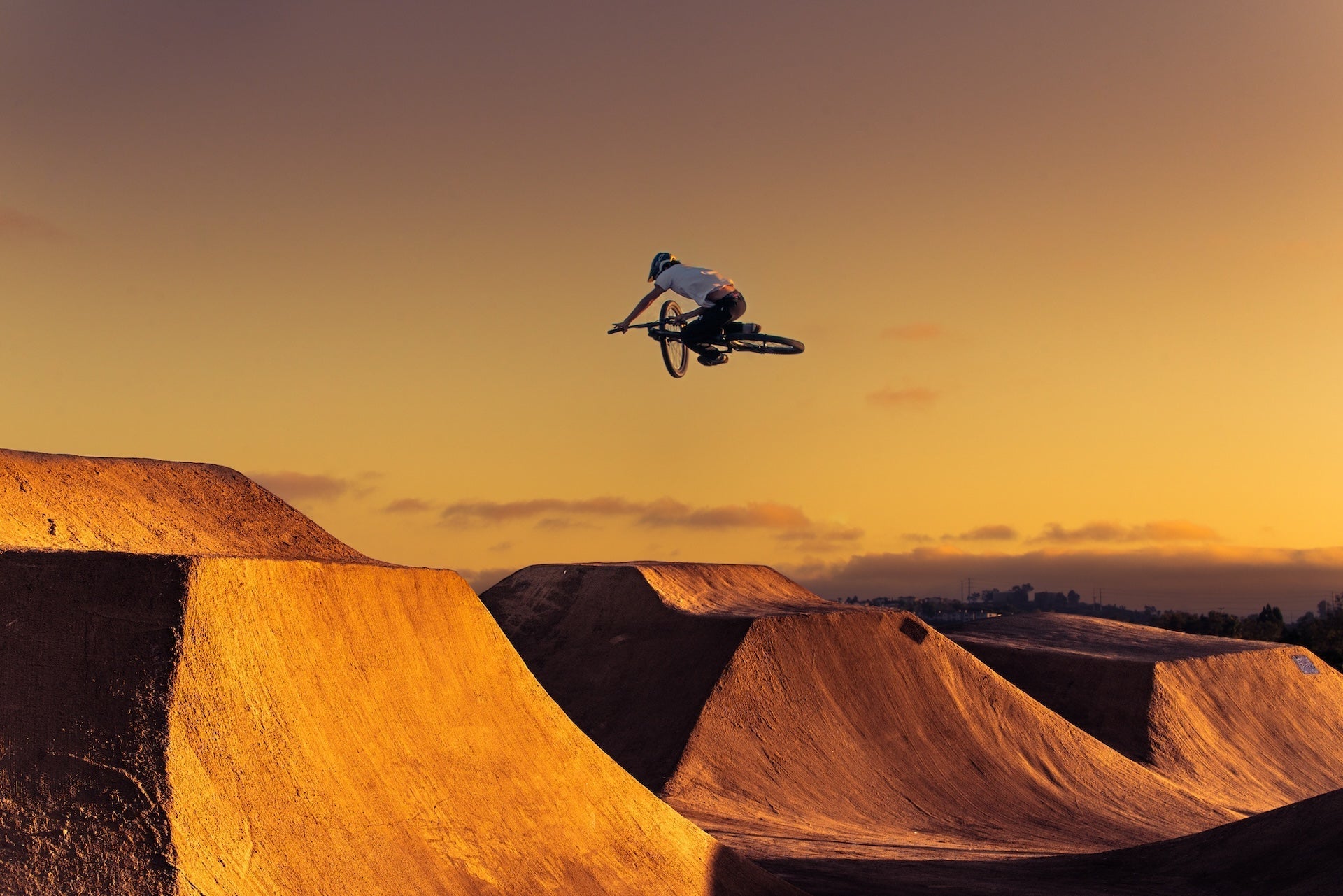
MTB: Chest protectors, back protectors, and shoulder pads for serious impacts; padded shorts to reduce chafing
-
Snowboarding: Spine protectors for extra support during hard impacts; built-in padding to protect knees, hips, tailbone, and thighs
-
Skiing: Padded shorts for hips and tailbone impacts; pants with built-in padding to protect knees
-
Dirtbiking/Motocycling: Chest protectors, back protectors and shoulder pads for serious impacts; lightweight, breathable, abrasion-resistant riding-specific gear that fits over armor; pants with built-in padding to protect knees
Impact Protection
Protective gear that uses quality materials is critical for impact resistance. Materials should absorb and distribute impact forces.
What to look for:
-
Hard shells (Nylon) for energy dissipation
-
Multi-density liners
-
Certifications like MIPS for rotational impacts
-
Closed-cell foam and gel inserts for cushioning
-
Thermoplastics (like polycarbonate) in hard shells for deflecting forces.
-
Advanced "smart" materials like D3O®, which are flexible during normal movement but stiffen instantly upon impact to absorb shock.
Safety Standards
Certification labels such as CE, ASTM (American Society for Testing and Materials) or NOCSAE (National Operating Committee on Standards for Athletic Equipment) indicate equipment has been tested and meets specific performance and safety criteria for the intended sport.
Certification is based on the amount of force transmitted through the armor to the body during a standardized impact test.
What to look for:
-
CE (Conformité Européenne) adheres to Europe’s stringent standards.
-
The higher the level of certification, the more impact resistant. For example, CE Level 2 certification will absorb more impact than CE Level 1.
Durability
Protective gear needs to withstand the rigors of action sports over time.
What to look for:
-
Quality stitching (seamless or smooth paneling can reduce chafing and weak points)
-
Overall construction to ensure longevity
Perhaps most importantly, look for a company that stands behind their products. Cased offers a 30-day satisfaction guarantee with free exchanges and easy returns.
Still stumped or overwhelmed by all the options? Don’t hesitate to reach out anytime to support@ridecased.com for questions about specifications or proper fit.